


bestutorsonline@gmail.com
- 08 Feb, 2023
- 0 Comments
- 1 Min Read
Attention Deficit Hyperactivity Disorder.
What is ADHD?
ADHD stands for Attention Deficit Hyperactivity Disorder. It is a neurobehavioral condition that affects how people pay attention, control impulses, and manage activity levels. The exact cause is not fully understood, but research suggests a mix of genetic factors and environmental influences. For example, exposure to certain toxins early in life may trigger ADHD in children who already have a genetic predisposition.
Who is Most Affected?
ADHD can affect both boys and girls. While boys are diagnosed more often, the main symptoms — hyperactivity, impulsivity, and inattention — are common in both genders.
What Do Statistics Show?
ADHD is one of the most common childhood behavioral disorders. Studies estimate it affects about 5.9% of school‑aged children in Saudi Arabia and the Gulf region, and around 5.8% in England.
Symptoms to Look For
To be diagnosed with ADHD, a person may show several of these traits:
- Inattention: forgetfulness, losing interest quickly, not listening when spoken to.
- Hyperactivity: fidgeting, talking excessively, running or climbing in inappropriate places, difficulty staying quiet.
- Impulsivity: risky behavior, acting without thinking, blurting out thoughts.
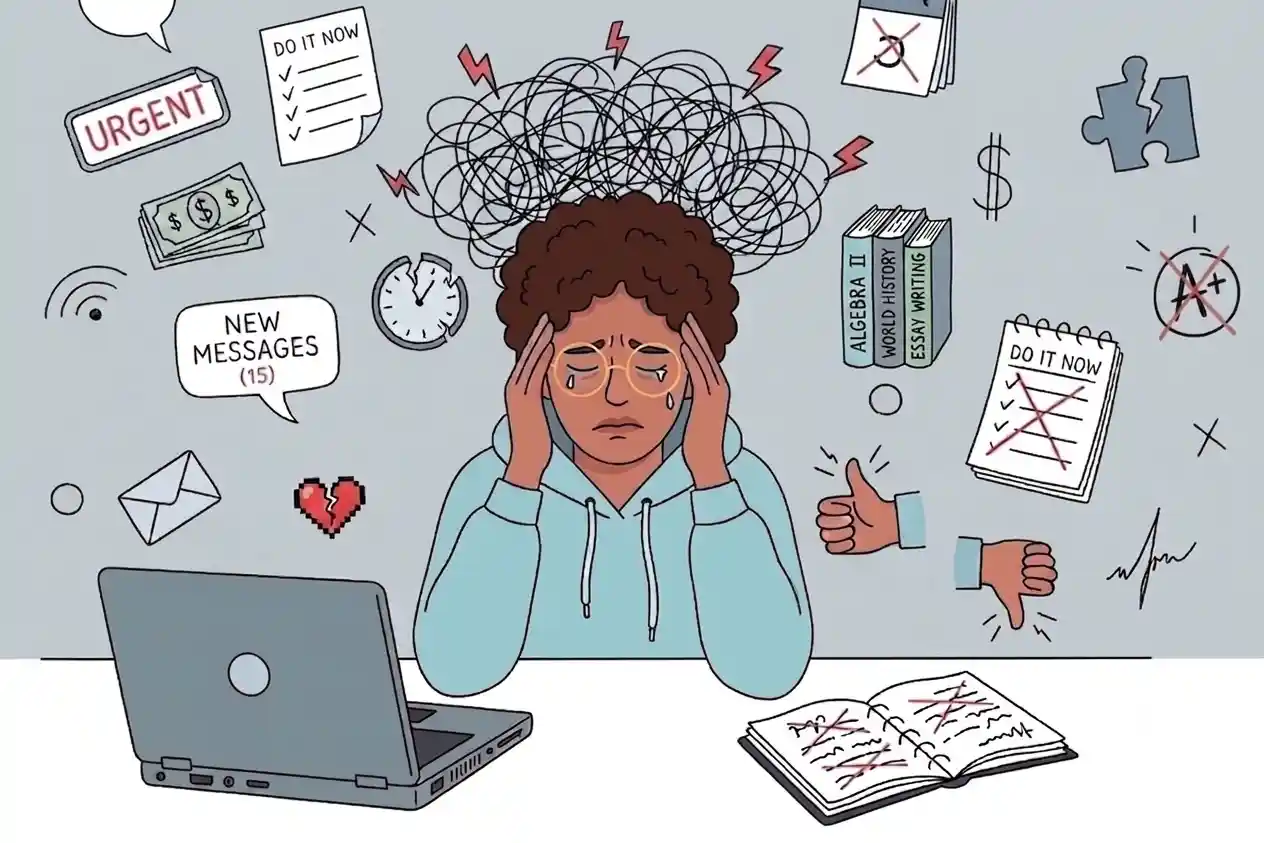
- Other signs: poor organization, weak time management, emotional ups and downs, difficulty finishing tasks.
Symptoms usually appear before age 12 and can continue into adulthood, though they may look different as people grow older.
Impact on Daily Life
ADHD can affect:
- Work and study: missed deadlines, inconsistent focus.
- Home life: clutter, forgotten appointments, stress in relationships.
- Social life: interrupting others, impatience, impulsive actions.
- Health and safety: risky decisions, forgetting medication or schedules.
Recognizing these challenges is the first step toward seeking professional help, which can greatly improve daily functioning.
How Teachers Can Help
Structured Classroom
A predictable environment with clear routines and rules helps students stay focused.
Instructional Strategies
- Break tasks into smaller steps.
- Use visual aids and reminders.
- Encourage hands‑on and active learning.
- Offer choices to increase motivation.
Behavioral Strategies
- Give positive reinforcement and immediate feedback.
- Redirect respectfully and privately.
- Use nonverbal cues to guide transitions.
Individualized Strategies
- Teach organization and time management skills.
- Provide accommodations like extra time or preferential seating.
- Allow short breaks or physical activity to manage hyperactivity.